





Sheep and shear: in the footsteps of Love Story, November 2-9, 2027
€ 3.147,00
Barðaströnd isolated atmospheric coastline, from sheep to yarn workshops, dyeing with lichen, Northern lights, Icelandic lace
Departure: November 2-9, 2027
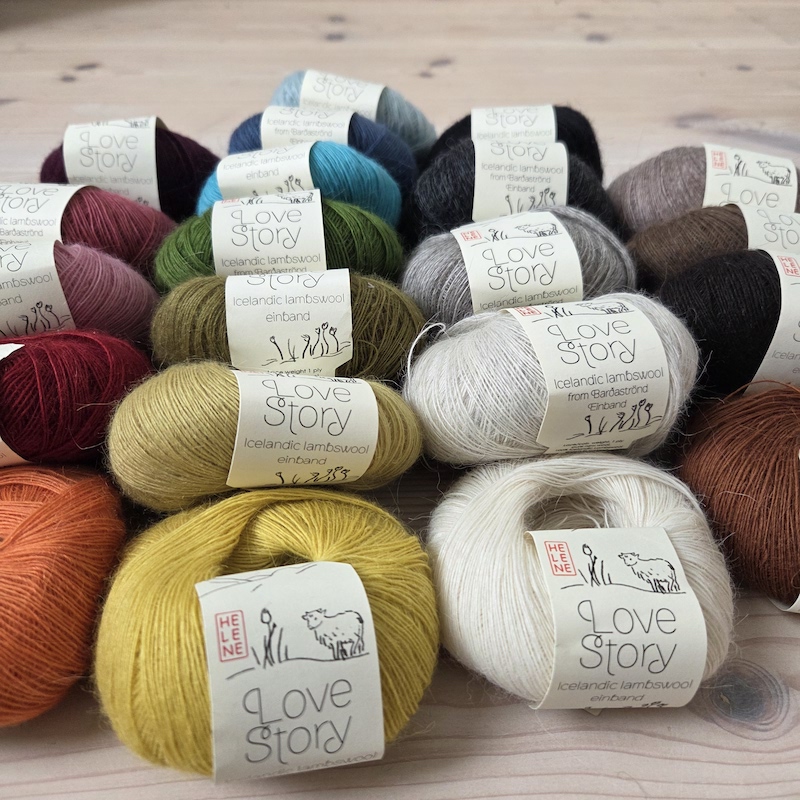
This moody tour will takes us to Barðaströnd, an incredibly atmospheric stretch of coastline located along the southern edge of Iceland’s remote Westfjords. November marks the peak of the autumn sheep-shearing season. We will be hosted by the farmers from whom Hélene buys her wool to make her admirable Love Story, the finest lace yarn that exists in Iceland. We will select some newly sheared wool, still warm from the sheep, and work it ourselves like in the old days. Sorting, washing, carding, spinning, plying, dyeing with lichens, knitting, we will do it all. All the way, Hélène will give us a thoughtful insight into the Icelandic knitting heritage and we’ll learn new and ancient techniques. Love Story yarn is especially suited for delicate, ethereal lace shawls and is reminiscent of the old handspun yarns that define traditional Icelandic lace. It is on those shawls that we will focus our knitting.
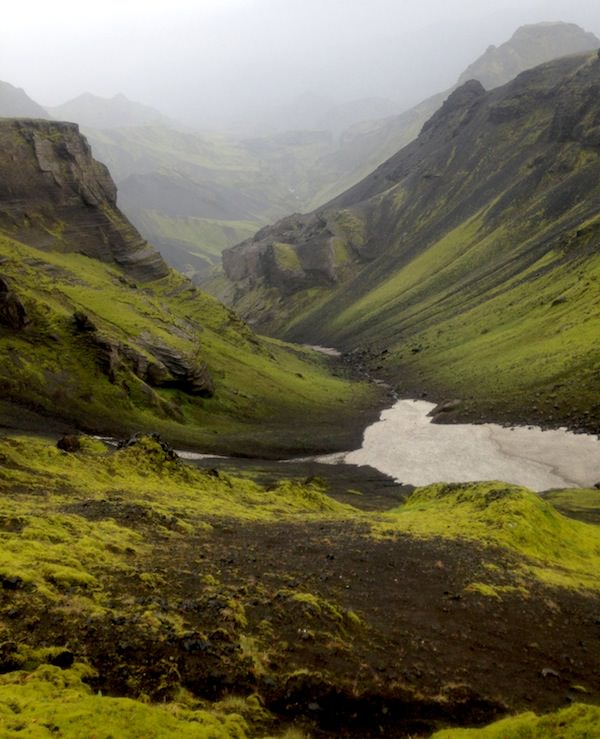
In November, daylight shrinks down quickly, heavy winds, sun, rain and snow create a dramatic, quiet landscape. But fear not, we won´t be cold: there is plenty of geothermy in Barðaströnd and we will enjoy both our own private hot pots plus natural ones by the sea.
The overwhelming sense of isolation, ancient history, and raw, shifting coastal beauty, the farmers´ hospitality and the dancing Northern Lights, will stay with us stay with us for a long time.
Upon booking, you will receive a link to fill up the registration form.
Please read the detailed information below >
Out of stock
Want to be notified when this product is back in stock?
IMPORTANT INFORMATION
Upon booking, and in order to make your trip enjoyable, please make sure you are familiar with the physical condition required, the day-to-day itinerary, the hikes, as well as the list of equipment. For any questions, please check our FAQ first (answers to frequently asked questions).
Departure: 2027, November 2-9, 7 nights
Group size: 12
Price: 440000 isk
Single room supplement (only in Reykjavik): 25.000 ISK
Not included in price: flights to and from Keflavík International airport
Included in price:
- 1 guide/knitting instructor.
- 3 nights at a guesthouse in Reykjavík, twin room, dressed beds, shared facilities. Possibility of single room.
- 3 nights at a country guesthouse, twin room, dressed beds.
- 1 nights at a country hotel, twin roons, dressed beds.
- Full board from day 2 till lunch day 7, breakfast on day 8.
- All transfers as per itinerary, workshops as per itinerary.
- Drop spindle, carders and Icelandic lambswool (raw fleece but also already washed and ready to spin in various natural colors) will be available for the spinning workshops and during the whole tour. If you wish to bring your own spindle or even a portable wheel, you are most welcome.
- lichens and Icelandic plants for the dyeing workshops
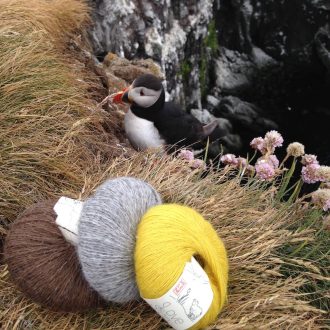
- a goodie bag with 2 skeins of white Love Story and a pattern
This tour is operated in English.
Fitness et hiking level: moderate.
Accessible to all those in good health, who are doing some sport regularly. 2 hours walk per day, without carrying much weight. Uneven terrain.
ITINERARY
Day 1 (November 2, 2027): Knitters arrive to Iceland from all over the world at various time during the day. Night at a guesthouse in Reykjavík close to the Icelandic Handknitting Association of Iceland, full of lopi sweaters and wool.
Day 2 (November 3, 2027): In the morning, we set off on a day trip to the South Coast. We will visit several local artisans and take a spinning class led by some of Iceland’s finest spinners.
Day 3 (November 4, 2027): Early in the morning, we head to Barðaströnd, a remote stretch of coastline in the Westfjords. The journey involves a drive followed by a ferry crossing (weather permitting). After a soak in a seaside geothermal spring, we will settle into our rural guesthouse, run by a local sheep farmer, where we will spend the next three nights. After a hot drink, we will go visit the sheep. In the evening, we will prepare the dye baths.
Picnic lunch en route and a traditional Icelandic dinner at the guesthouse.
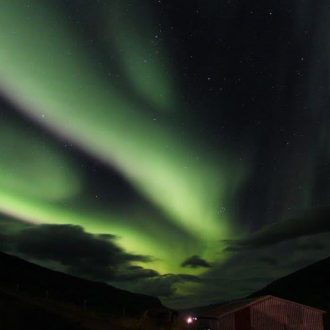
Day 4 (November 5, 2027): The day is dedicated to sheep shearing, fleece selection, and beginning the wool preparation process. We will also start our lace knitting workshop and take an invigorating break with a beach walk. In the evening, weather permitting, we will admire the Northern Lights—perhaps from the comfort of our private hot tubs.
Hike: 1–2 hours, flat terrain. Uneven ground, sand.
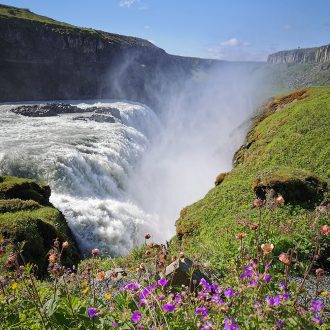
Day 5 (November 6, 2027): Today, we continue our knitting workshop and other activities. The dye baths will reveal their wonders. In the afternoon, weather permitting, we will take a short bus ride to admire the Fjallafoss waterfall, often called the “jewel of the Westfjords.”
Hike: 30 to 45 minutes of walking. Elevation change (ascent/descent): 100 m. Trail over rocky terrain.
Day 6 (November 7, 2027): Today, we leave Barðaströnd and begin a leisurely return journey along the coast. En route, we will visit local artisans and spend the night at a comfortable country hotel. On the agenda: plenty of quiet time for knitting and/or spinning.
Day 7 (November 8, 2027): It is time to head back to Reykjavík. Along the way, we will stop at various spots of interest for wool enthusiasts! Before arriving at our guesthouse in Reykjavík, we will visit Hélène’s studio, filled with her yarns and knitted designs. Then, it will be time to say our goodbyes! Free evening in Reykjavík.
Day 8 (November 9, 2027): Departure.
KNITTING WORKSHOP
WORKING THE WOOL: SPINNING, DYEING AND LACE KNITTING
A bit of history: Hélène will tell us about the rich Icelandic tradition from the moment it came to Iceland in the 16th century to our modern times. She will tell us especially about the Icelandic lace shawls and how she created Love Story, the finest Icelandic lace, to help revive the tradition.
Icelandic wool works, workshop: We will learn how to process the wool from start to finish at Icelandic: Icelandic wool, history and properties, combing, carding and spinning, How do we use our wool and yarns. Carding maching demonstration, making batts and rovings. Drop spindle – preparing the fibers, carding and combing, spinning and plying.
All tools will be provided and we will have access to a carding machine. We will only learn to spin with a drop spindle, not a wheel, but you are most welcome bring your own travel wheel if you have one.
Hélène will assist us with the drop spindle during the rest of the tour, and we will be able to also work with the raw fleece from the sheep shearing when in Barðaströnd.
Dyeing workshop: we will learn how to dye with lichen using the old traditional Icelandic ways. Dyeing with plants demands time and patience so we will start setting up pour dyepots on our first day in Barðaströnd.
Icelandic lace shawl workshop: we will look at the characteristics of the traditional Icelandic lace, seen in the Old long shawls and triangular shawls. We’ll see how designs and patterning evolved and how the unique characteristics of the Icelandic wool played an important role. We will learn the most used stitch patterns and all the techniques necessary to make a full sized shawl, from casting on to blocking.
Related products